
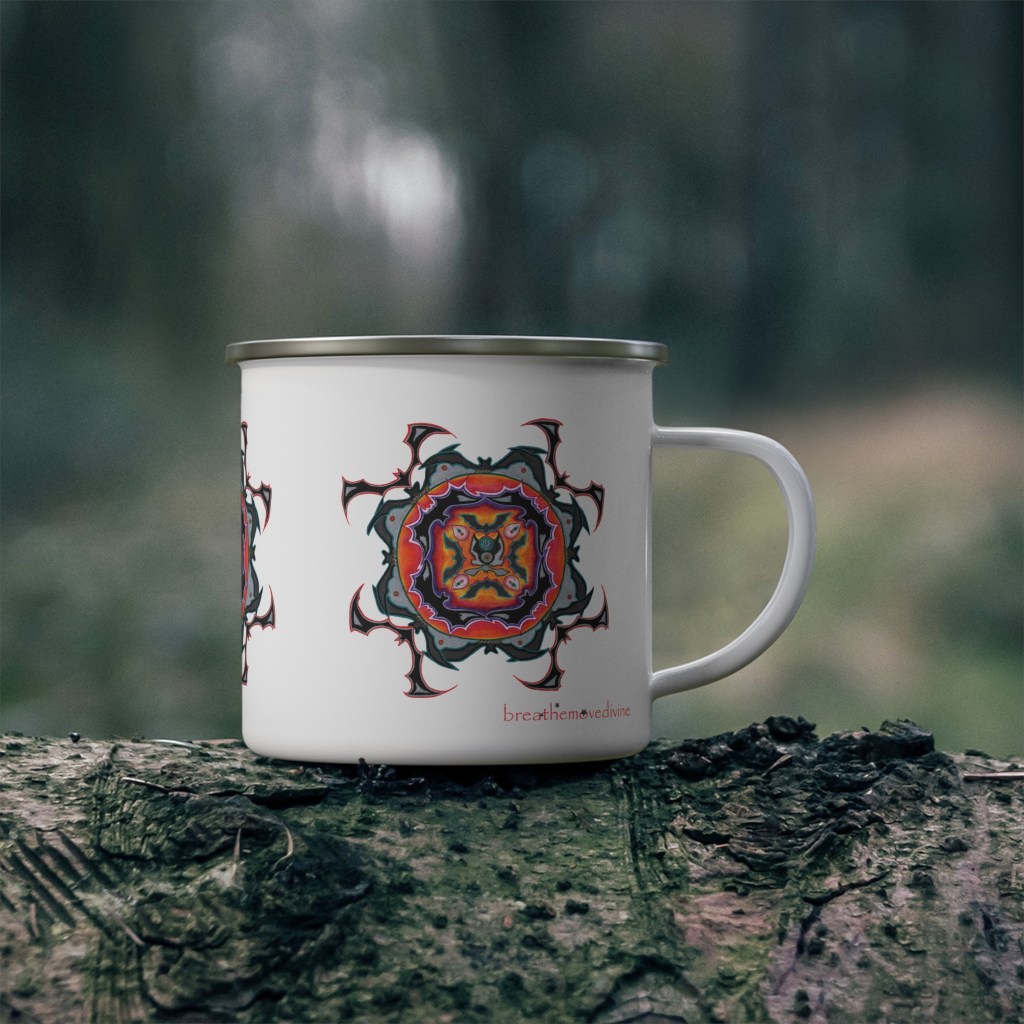
Spring cleaning sounds so simple when you see it on a checklist. Declutter the closet. Wipe down the baseboards. Donate the things you no longer need. Done!
For me, it rarely worked that way — until I stopped fighting my brain and started working with it instead. I start in the bedroom, end up in the kitchen, pick up a mug along the way, and somehow the house comes together in a way no checklist could have predicted.
I’ve learned that my neurodivergent brain is actually really good at finding flow. I just needed to understand how to get there. Here’s what works for me — maybe it will work for you too.
Flow state — that magical place where time disappears and everything just moves — is, in my experience, actually more accessible to neurodivergent brains than people think. We just need the right conditions to get there.
Here are a few things that help me:
Start with a self-care check. Before anything else — and I mean anything — pause and ask yourself a few simple questions. Do I need water? Do I need to use the bathroom? Is there a specific task I want to prioritize today? This takes thirty seconds and it matters more than you’d think. Starting from a place of basic physical comfort and clear intention makes everything that follows so much easier.
Start with sensation. Once your self-care check is done, set up your environment. Put on music that makes you want to move. Light a candle. Open the windows and let that spring breeze in. Your senses need to feel safe and stimulated before your brain will cooperate.
Start where you are. Begin in whatever room you’re currently in. Look around for items that belong somewhere else in the house. Pick them up and carry them with you as you move naturally through your space, returning each thing to a more desirable place along the way. Room by room, item by item, until you reach the goal you set at the beginning.
Lean into your chain thinking. My kung fu sifu, Grandmaster Henry Cook, taught me a concept called chain thinking — originally applied to martial arts, where it describes the ability to flow fluidly through defensive and offensive movements based on what you sense from your opponent, responding naturally and continuously rather than following a rigid sequence. I’ve found that the same principle applies beautifully to cleaning. You move through your home, sensing what needs attention, responding to what you find, picking things up and returning them to where they belong in one continuous flowing motion. What might look like scattered or unfocused behavior from the outside is actually a sophisticated form of whole-home awareness. You’re not bouncing around randomly — you’re processing the entire space at once and restoring it to balance. That’s not a flaw. That’s a superpower.
Make it meaningful. When you surround yourself with objects that actually mean something — art that reflects who you are, colors that calm your nervous system, things that were chosen with intention — cleaning and organizing feels less like a chore and more like tending to something you love.
Your space is an extension of you. When it reflects who you actually are, taking care of it feels different.
This spring, forget the checklist. Find your flow instead.
Leave a Reply